Research and Policy
We lead research initiatives and policy advocacy projects aimed at improving coastal and marine resilience along the Gulf of Guinea, West Africa.
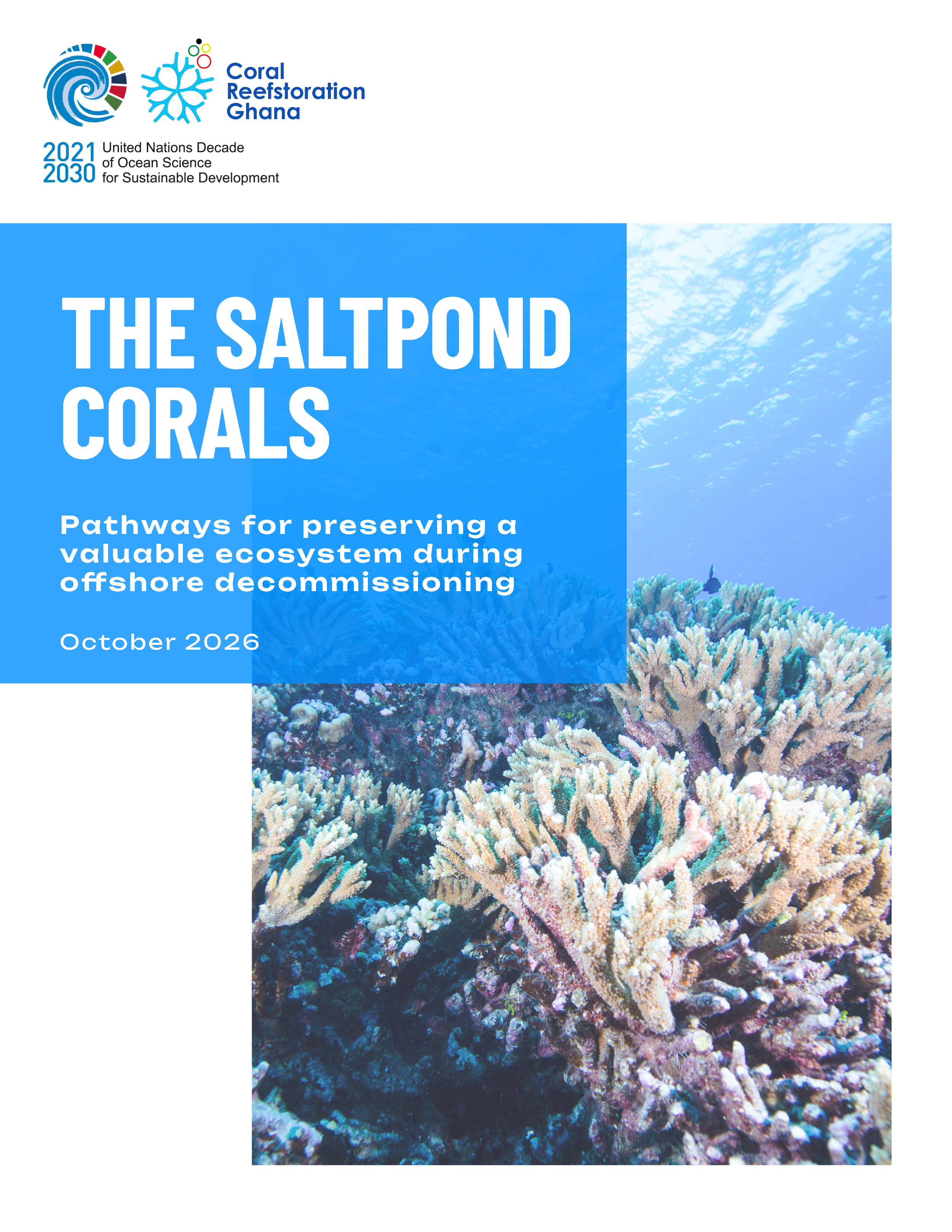
WHITE PAPER
THE SALTPOND CORALS REPORT
Pathways for preserving a valuable ecosystem during offshore decommissioning
-
Preserving the Saltpond Corals
Produced a white paper on the presence of coral colonies at Saltpond Oil Field, with recommendations on best approaches to ensure upcoming decommissioning process retains the ecological and economic value of the corals.
Collecting biodiversity data to support the policy brief
-
Mapping West African Coral Sites
Through collecting oral accounts from fisherfolk we have identified potential coral sites in Tema and Nungua.
Next step: Exploratory dives and collecting photographic and video evidence to support creation of new protected areas.
-
Takoradi: Underwater Archaeology
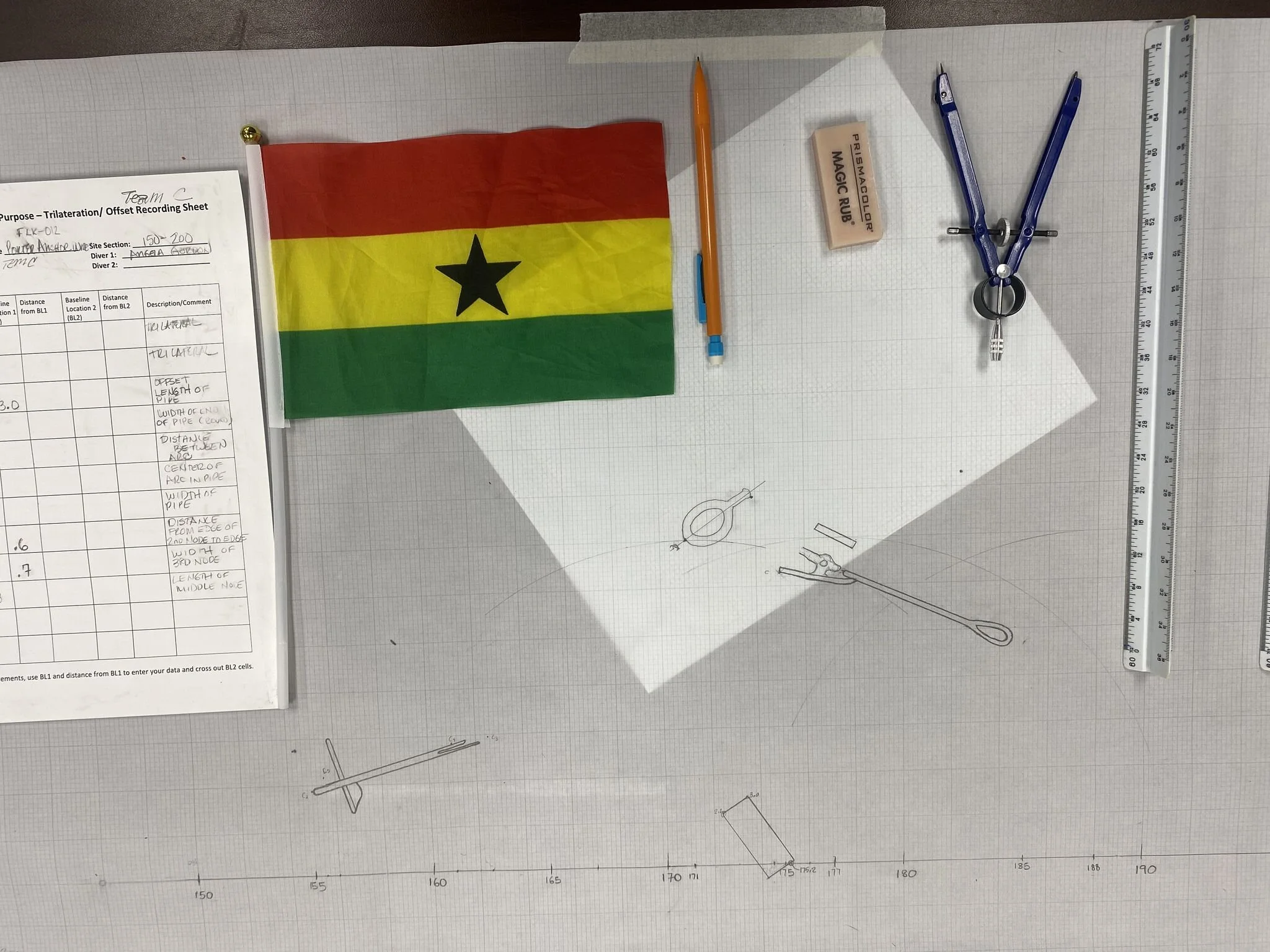
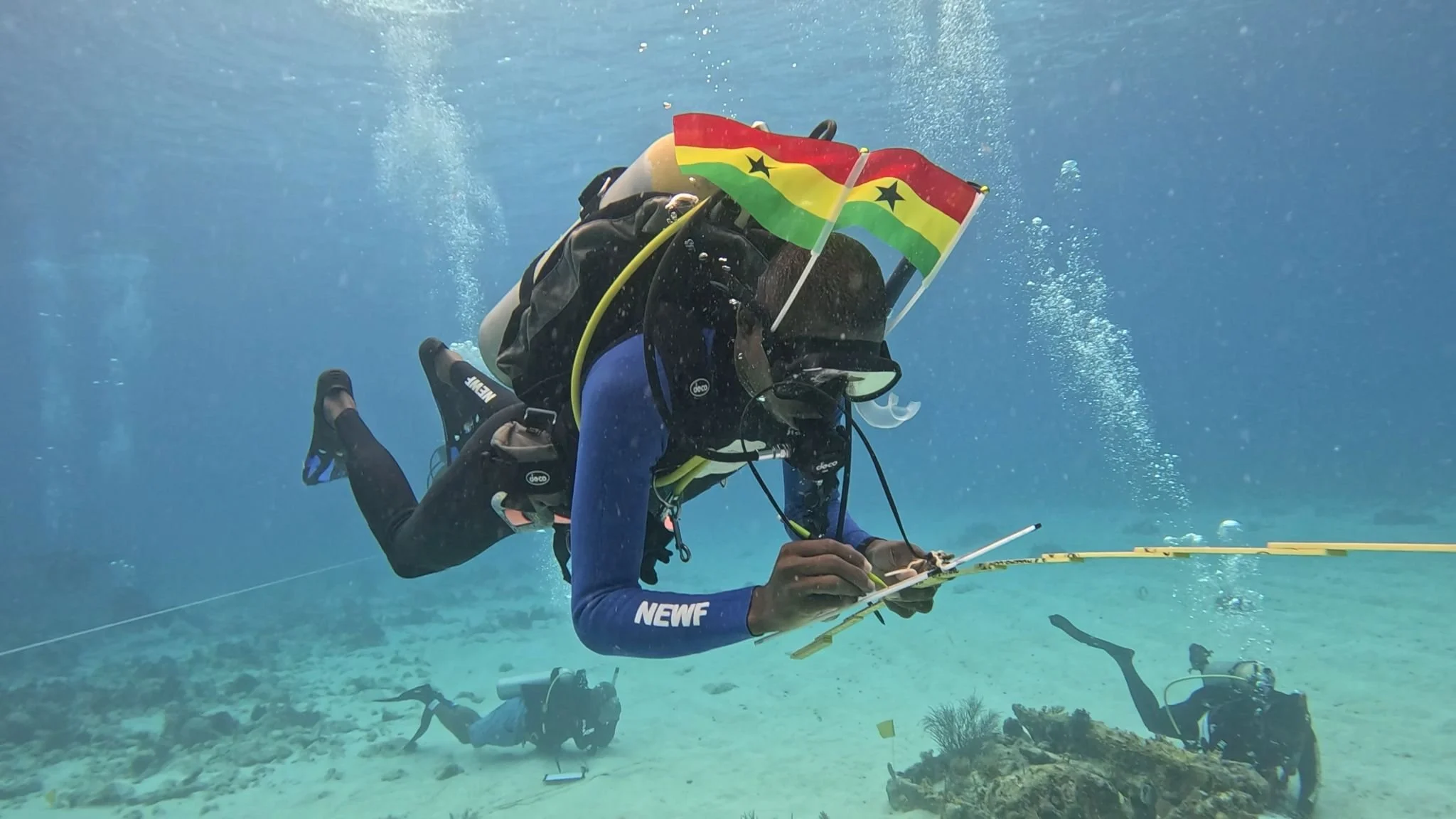
Mapping the extent of shipwreck sites at Takoradi.
-
Natural Filtration to Tackle Galamsey
Pollution from illegal river mining (‘galamsey’) practices In Ghana (primarily too much sediment, along with arsenic and mercury) are choking coastal ecosystems. We are researching bio-inspired design options for filtration, looking into how to enhance the capacity of our native ecosystems (e.g. mangroves and oyster reefs) to filter coastal and freshwater pollution.
-
Fisheries Conflicts in Accra: Small-Scale Fishers vs Commercial Fleets
We are conducting interviews with small-scale fishers along the Accra coast to understand the conflicts between them and commercial fisheries, and explore potential solutions that will help sustain the traditional livelihoods of fisherfolk.
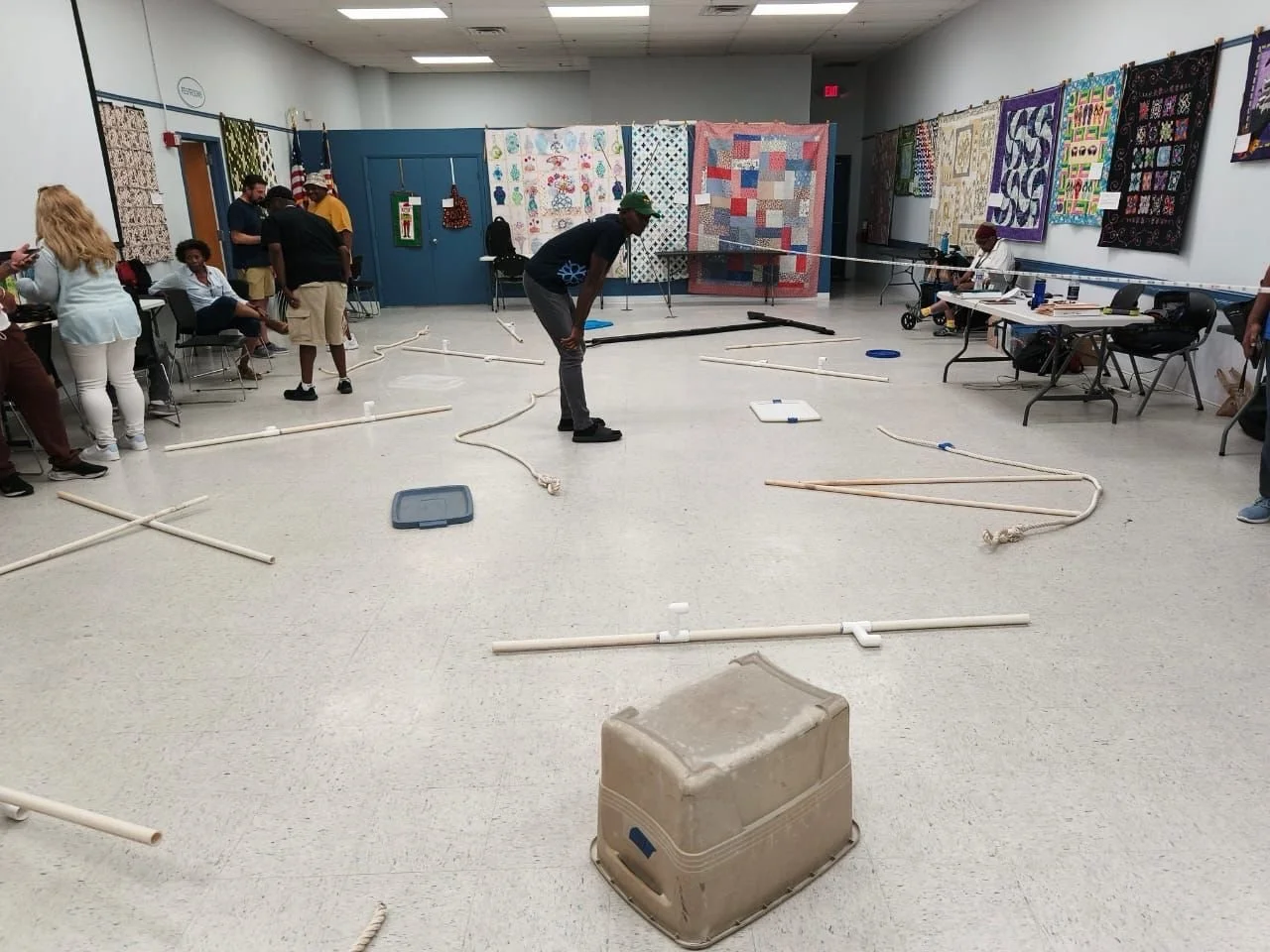
Want to get involved?
If you are interested in learning more or contributing to any of the above ongoing projects, please get in touch to find out more.
We also enjoy collaborating with researchers looking to advance conservation in West Africa. Coral Reefstoration can support your work in the following ways:
Coral reef monitoring
Marine ecosystem documentation
Ocean conservation education
Underwater data collection